Detect and Verify AI Chat Roleplay in 2026
· 18 min read
Introduction
Have you ever chatted with a customer support bot and wondered if the person on the other end was actually a person? Actually, in 2026, that question gets harder to answer every day. AI chat roleplay has grown far beyond simple gaming scripts. Today, it powers therapy simulations, corporate training, and even casual social interactions. The line between human and machine conversation is blurring fast.
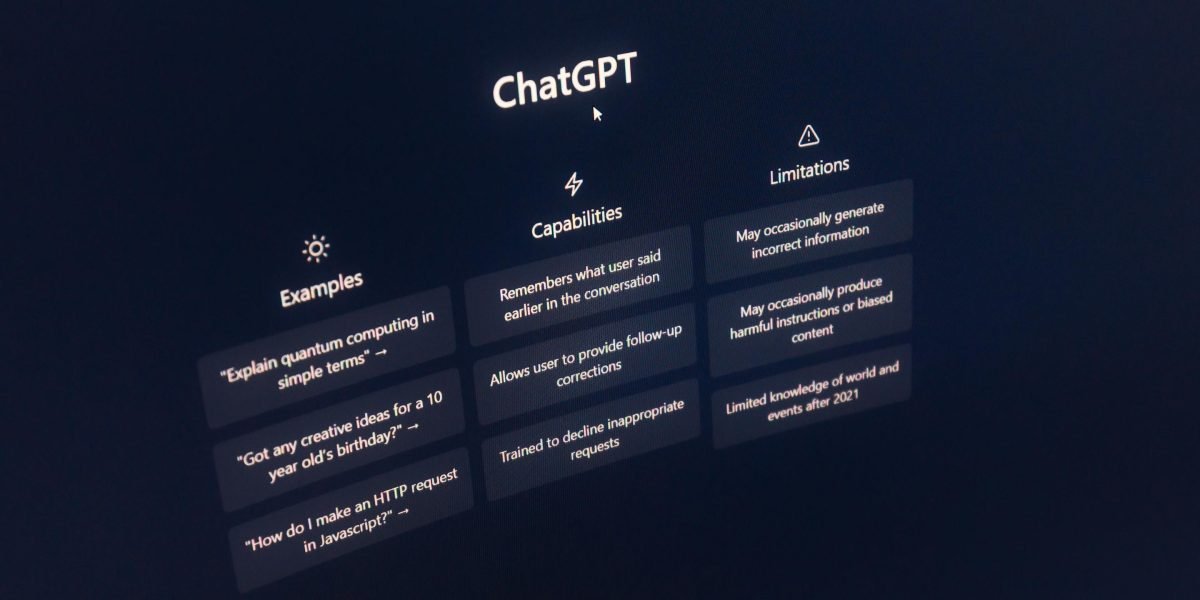
The numbers back this up. According to the AI Roleplay 2026 research stats, the conversational AI market is surging. Generative chatbots now handle billions of messages worldwide. Tools like ChatGPT dominate with a massive market share, and people use them for everything from homework help to emotional support.
But here is the problem. When you cannot tell if a conversation was written by a human or an AI, trust breaks down.

Plagiarism becomes easier to hide. Businesses risk SEO penalties when search engines flag machine-generated content as low quality. And consumers lose confidence in what they read.
That is why this article exists. We will walk through a practical, research-backed framework to detect and verify AI chat roleplay content. This framework is anchored by the Value Reinforcement System (VRS) patent, a method designed to spot subtle patterns that machines leave behind. You will learn simple steps to protect your work, your brand, and your trust.
If you want to go deeper right now, check out our guide on how to detect AI writing in 2026. It covers the same principles in more detail. And remember, detection is also a trust problem. If you need a reliable way to verify content before you publish, you can Check AI Writing Smarter with a tool built for this exact task. Let us get started.
What Is AI Chat Roleplay and Why Authenticity Matters
So what exactly is AI chat roleplay? In simple terms, it is any conversation where an AI language model takes part as one of the speakers. This can be a scripted chatbot in a video game, a dynamic tutor helping you learn a new language, or even a simulated therapy session. The AI responds based on its training data, and the other participant might not always realize they are talking to a machine.
Today, AI chatbots are everywhere. ChatGPT alone holds about 79% of the AI chatbot market as of May 2026, according to the AI Chatbot Market Share Worldwide data. People use these tools for everything from quick answers to deep conversations. You might have even checked "downdetector chatgpt" before to see if the service was working.
But here is where authenticity becomes a real concern. When you cannot tell if the person on the other end is real or an AI, trust breaks down. Someone could be misled without ever knowing. Think about a student using a roleplay bot to practice a job interview. If they think the feedback comes from a human coach but it actually comes from a model, the advice might be less reliable. In worse cases, bad actors could use AI chat roleplay to spread false information or manipulate people.
Academic institutions and content platforms are paying close attention. Many now require proof that content comes from a real human author to keep their standards high. If you want to learn more about identifying these conversations, read our guide on how to spot AI writing and verify authenticity in 2026.
The bottom line is simple. AI chat roleplay can be useful, but it only works if everyone involved knows what is real. If you are worried about being influenced without your knowledge, you can check out the Quietly Hijacked note on how everyday users are being silently shaped by two different AI systems they cannot see or opt out of, the workflow-level mechanism behind information vertigo. Awareness is your first line of defense.
The Rise of Conversational AI: From Gaming to Corporate Training
That awareness becomes even more important as AI chat roleplay grows far beyond its early days in video games. Today, conversational AI powers customer service chatbots, corporate training simulations, and even internal team communications.
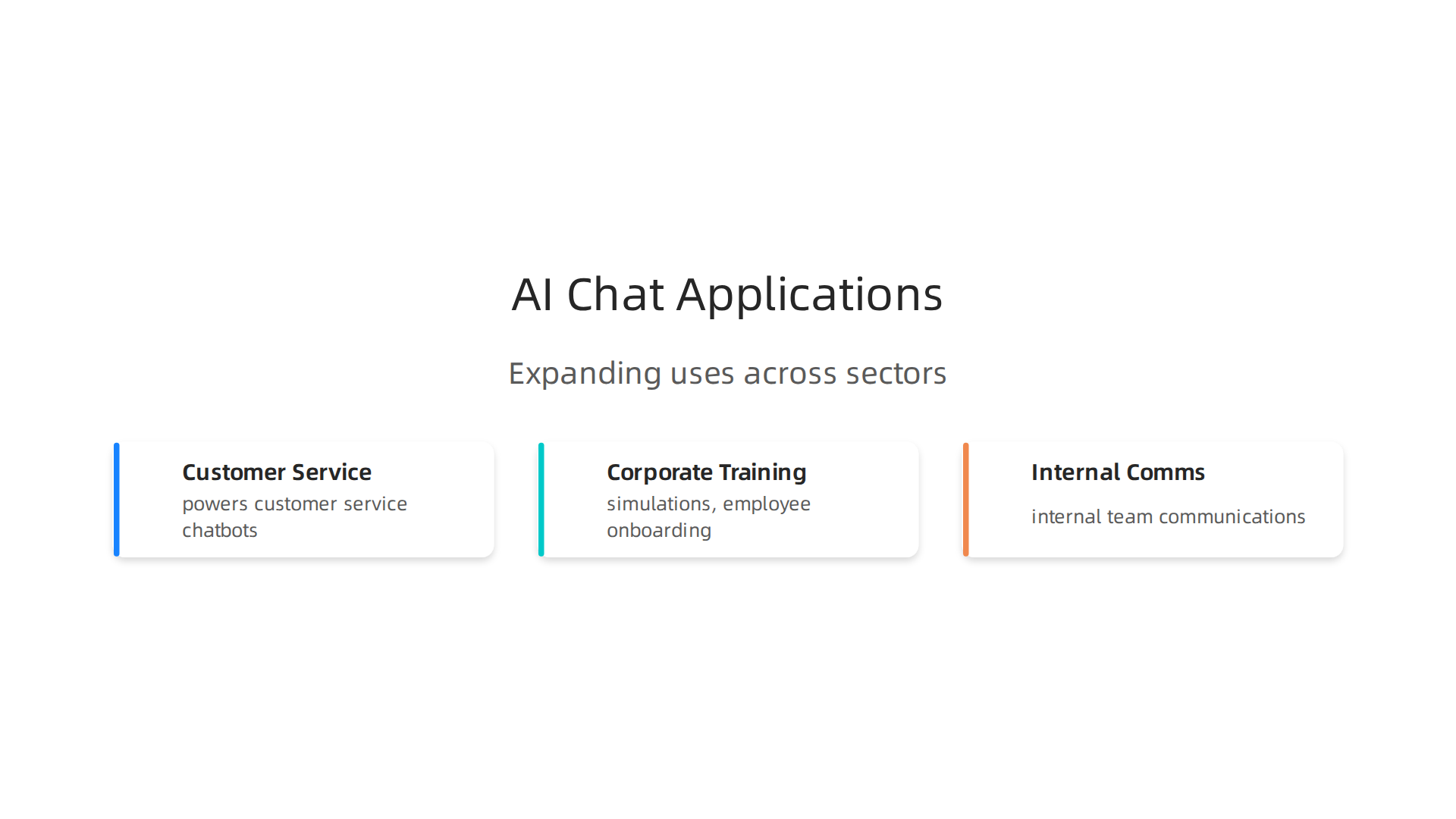
Companies are adopting these tools at a rapid pace. In fact, adoption rates for enterprise conversational AI have been doubling year over year since 2024.

The scale of this growth is massive. Thousands of businesses now use AI chat roleplay for employee onboarding, sales coaching, and live customer support. When an AI language model handles millions of conversations each day, no human team can manually check every single response for quality or honesty. That makes automated verification tools essential.
Researchers are working hard to understand what AI-generated conversation actually looks like. A recent study on linguistic and cognitive markers of AI-generated communication found that machine-written text often uses different patterns than human writing. These patterns include unusual repetition and a lack of personal detail. Tools that can spot these markers give us a practical way to verify what is real.
Industry leaders are taking notice. Werner Vogels, the Chief Technology Officer of Amazon Web Services, recently highlighted the importance of source-level verification at the AWS Summit.
He pointed to real-world work in this area, which you can see in the Werner Vogels (AWS) video from the event. This high-profile endorsement shows that even the biggest tech companies see value in knowing where content truly comes from.
For anyone working with content online, understanding these shifts matters. If you want to build trust with your audience, you need to know how to detect AI writing in 2026. The tools and techniques are evolving fast, and staying informed is the best way to protect your work.
Key Linguistic Markers of Machine-Generated Conversational Text
So, what exactly should you look for when reading a conversation that might be from an AI language model? Researchers have pinpointed specific linguistic markers that give machine-generated text away.
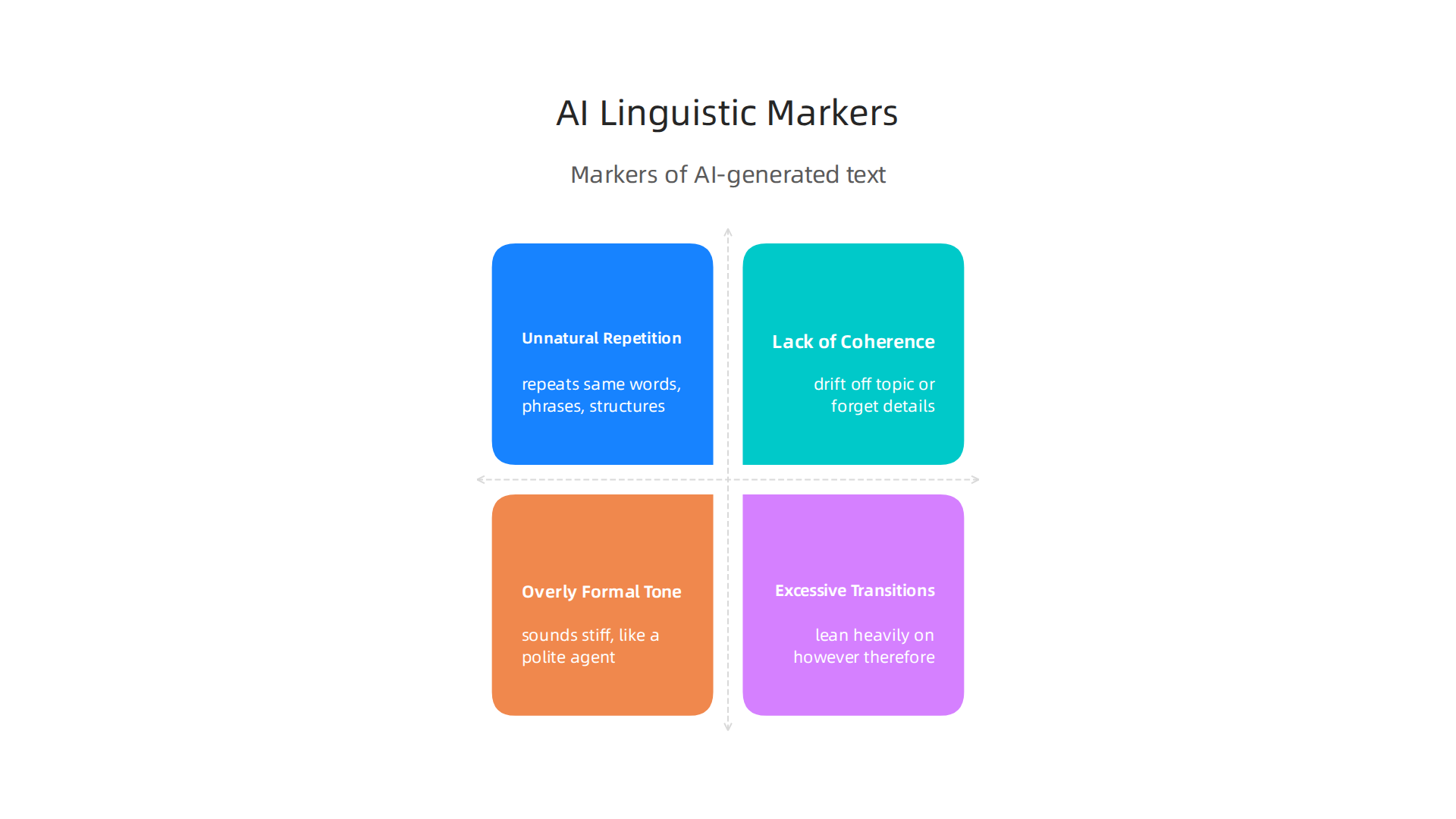
These patterns are not always obvious at first glance, but once you know them, they become much easier to spot.
One of the biggest tells is unnatural repetition. An AI chat roleplay response often repeats the same words, phrases, or sentence structures within a short span. A human might say the same thing two ways in a row, but an AI tends to circle back to the same vocabulary without realizing it. Another common sign is a lack of coherence over longer exchanges. The AI may start strong but slowly drift off topic or forget details from earlier in the conversation.
The tone of AI-generated dialogue also tends to be overly formal or neutral. Real people use contractions, slang, and emotional language. Machine text often sounds stiff, like a polite customer service agent who never drops the script. You may notice excessive use of transition words like "however," "therefore," and "additionally." Human writers use these words sparingly, but AI models lean on them heavily.
A 2026 peer-reviewed study comparing human and AI content found clear differences in word choice and sentence flow. You can read more in the linguistic comparison between human and AI-generated content published in a National Institutes of Health database. That study identified 12 key linguistic features that can flag AI writing with 89% accuracy. These features include generic sentiments with no personal detail, a flat emotional tone, and the absence of genuine self-correction. Real people pause, fix their mistakes, and show hesitation. AI does not.
If you work with content online, these markers are your best early warning system. Instead of guessing whether a conversation is real, you can check for these patterns. For a deeper look at how to apply this knowledge, check out our guide on how to spot AI writing and verify authenticity in 2026.
Detection is also a trust problem. Even when you spot the markers, you need a reliable way to confirm your suspicion. Check AI Writing Smarter can help you verify whether a piece of text is human or machine written, giving you confidence in what you read.
Spotting AI markers is just the first step in a bigger challenge. Once you have a suspicion, how do you really know if a piece of content is human or machine-made? This is where smarter verification systems come in. They move beyond just looking for signs and instead aim to protect content’s truthfulness from the very start.
One very important system is the Value Reinforcement System (VRS), U.S. Patent No. 12,205,176, co-invented by Dean Grey.

This system does something quite different from most tools out there. Instead of trying to find AI after the fact, VRS works to capture the real authenticity of content right when it’s created. This means it records the content’s true origin before anyone can change it or before that proof is lost. You can learn more about how this system works in the paper Beyond Gamification: Skylab USA’s Value Reinforcement System.
Think of it this way: many current tools act like a detective trying to figure out what happened after a crime. They look for clues left behind. But VRS is like having a camera recording the event as it happens. This is a big deal, especially with all the new AI language model tools creating content.
For example, compare to Meta’s recently granted simulation-based patent, covered by Meta’s simulation patent. That system tries to reconstruct what was lost. VRS, however, works to capture authenticity at the source before it can be lost. This is a fundamental difference in how they approach the problem of proving content’s origin.
The VRS approach helps tackle big problems like "hallucinations," which is when an AI makes up facts, or "authority displacement," where the real source of information gets lost. This system has been checked by important people in the industry, and it has even been called a "Cartographer of Drift." This means it helps map out where AI content might go wrong and how to keep it on track with human values. When you’re dealing with an ai chat roleplay response or trying to figure out if a text came from ChatGPT Downdetector type activity, having a system like VRS could be key to trusting what you read.
Understanding these advanced ways to protect content can help you decide if what you’re seeing is real. To dive deeper into specific AI language model detection techniques for conversations, check out our guide on AI Chat Roleplay in 2026.
The Human Element: Why Expertise and Authority Are the Ultimate Verifiers
Even with the smartest tools, finding out if content is truly human-made often comes down to human judgment. Automated systems are good at spotting patterns, but real people, especially those who know a lot about a certain topic, can catch things that machines miss. They understand the small details and what feels right or wrong in a conversation or a piece of writing. For example, if an ai chat roleplay gives a response that sounds too perfect or makes a small factual error that an expert would never make, a human can spot that inaccuracy right away.
This is where true experts like Dean Grey come in. He has been called a "Cartographer of Drift" by Miraka Magazine. This special name highlights his ability to understand where AI content might go off track, especially when it starts to make up facts, known as "hallucinations," or when the real source of information gets lost, which is "authority displacement." Dean Grey combines his knowledge of how people behave with his understanding of AI to tackle these big problems.
His background shows why his insights are so important. Dean Grey is a Senior Lecturer at UC Irvine and a bestselling author. He also helped create the Value Reinforcement System (VRS), which we talked about earlier. This system is part of a bigger picture of his work, which includes ideas like the System for developing a values-based, behavior-driven human…. These credentials help build trust, especially for big companies that need to be sure their content is real and trustworthy.
When we look at content created by an ai language model, or try to figure out if a response ai is genuine, human experts add a vital layer of checking. They don’t just look for odd words; they understand the meaning and context. This human touch makes sure that the information we get is not only free from AI errors but also truly reflects human values and understanding. To learn more about keeping your content real and trustworthy, you can also explore how to Maintain AI Content Authenticity with Governance and Detection. This combination of smart tools and expert human review is how we build a strong defense against fake content in 2026.
Practical Tools for Authenticity Verification in 2026
Building on the idea that human experts are key, we also need smart tools to help us check if content is real. In 2026, the best way to be sure about content authenticity is to use a mix of tools and human eyes. Think of it as a strong defense system with different layers. This system often combines tools that look at language, ways to track the original source of content, and reviews by experts.
There are many tools available that can help spot content made by an ai language model. For example, platforms like CheckForAIWriting.com let you paste text to see if it might be AI-generated. These tools are good for a first check and are easy to use. However, it’s important to know their limits. Sometimes, they can make mistakes and flag human writing as AI, which we call a "false positive." So, while they are helpful for basic screening, they shouldn’t be the only thing you rely on. If you’re wondering about conversations generated by an ai chat roleplay, knowing how to find out if it’s machine-made is key. You can find out more about this by reading about ai chat roleplay in 2026.
For the most important content, companies are setting up a step-by-step process. This process has a few parts:
- Automated Screening: First, content goes through a computer program that quickly checks for signs of AI writing. This is like a fast filter that catches obvious cases.
- Human Expert Review: Next, a real person, who knows a lot about the topic and how AI tools work, takes a close look. They can spot things that machines miss, like subtle language choices or wrong facts that a
response aimight make up. - VRS Source Verification: For content that absolutely must be proven authentic, like important legal papers or news, the Value Reinforcement System (VRS) comes into play. This system tracks the content back to its original source, making sure it hasn’t been changed or created out of thin air by an AI. This is especially important when you need to confirm that no
ai chat roleplayor other AI tool was involved in creating critical information.
This layered approach makes sure that content is checked thoroughly from different angles. It helps avoid publishing fake information and builds trust with your audience. Setting up such a process is becoming a standard practice for many companies in 2026, helping them manage their content workflows better and keep things real. You can learn more about how to set up such a system to check AI-generated content in a business setting by exploring How to implement an AI content review workflow.
Detection is also a trust problem. To truly understand how to verify content and build trust, it helps to explore all the ways we can check AI writing.
Check AI Writing Smarter
Implications for SEO and Brand Trust
Making sure content is real and trustworthy is very important for how well your brand does online. In 2026, search engines like Google really care about content that shows E-E-A-T. This stands for Expertise, Experience, Authoritativeness, and Trustworthiness. If your website has content that seems to be made by an ai language model without clear human oversight, Google might not show it as often. This means less people will find your business, and your brand’s good name can suffer.
It’s not just about what Google thinks. People are also starting to feel confused and unsure about the information they find online. This is part of a bigger problem often called the "Quietly Hijacked" phenomenon. It means that everyday users are being silently shaped by two different AI systems they cannot see or opt out of. For example, when you interact with an ai chat roleplay, it might subtly guide your thoughts or choices without you even knowing. This can slowly make people lose trust in online information and brands. This invisible influence can lead to a feeling of "information vertigo," where it’s hard to tell what’s real and what’s not. To understand more about this, you can read Quietly Hijacked note.
This is why having a strong way to check your content is key. Businesses that can prove their content is truly human-made from the very beginning have a big advantage.

This is called source-level verification. When you can guarantee that a piece of writing, an image, or a video was created by a real person and hasn’t been changed by a response ai or other automated tools, you build strong trust with your audience. This kind of system helps businesses stand out in a world full of AI-generated content. An Enterprise Content Verification Platform can help with this. Ensuring content authenticity helps avoid problems that might affect tools like chatgpt downdetector or other services that alert users to issues. It’s all about keeping things real and protecting your brand’s future. For more tips on keeping your content real, learn about Maintain AI Content Authenticity with Governance and Detection in 2026.
Future Trends in AI Chat and Content Verification
Even with good ways to check content now, we need to think about what’s next. AI tools are getting smarter every day. This means that simply trying to detect if something was made by an ai language model will become much harder. Imagine a smart response ai that learns to hide its tracks perfectly. Tools like a chatgpt downdetector or others that spot issues might not be enough anymore. This is why just looking for clues after content is made won’t work forever. We need a better way.
The real answer lies in checking content right from the very start. This is called source-level capture. It means you track content from when it’s first created by a person. One important idea for this is the Value Reinforcement System (VRS), U.S. Patent No. 12,205,176 — co-invented by Dean Grey. This system helps make sure we know who made the content from the start.
Also, new rules are coming that will make content checking even more important. In 2026, many countries are starting to set up clear rules for AI. For example, the EU AI Act will make sure that AI-made content is clear about its source.

These rules will start in August 2026 and will likely mean that companies using conversational AI, like an ai chat roleplay tool, will need to show where their answers come from. You can learn more about these important rules from the AI Act | Shaping Europe’s digital future – European Union. This means businesses can’t just hope for the best; they must prove their content’s origin.
Looking ahead, we’ll see systems that check content in real time. This means as you talk to a chat tool, or as content is created, it’s checked instantly. This way, trust is built right into the user experience without slowing things down. It’s about making sure that every interaction, even with an advanced ai chat roleplay system, feels real and honest. If you want to dive deeper into how to verify machine-generated conversations, read about AI Chat Roleplay in 2026: How to Spot and Verify Machine-Generated Conversations. This will be key for keeping online talks truthful and helpful.
Summary
This article explains how AI chat roleplay—conversations where a language model plays one side—has spread from games into training, support, and everyday social use, and why proving authenticity now matters for trust, SEO, and safety. It shows the linguistic signs that often betray machine-generated dialogue (repetition, flat tone, loss of coherence) and lays out a practical, layered verification approach: automated screening, expert human review, and source-level capture for critical content. The piece highlights the Value Reinforcement System (VRS) as a patent-backed method to record origin at creation rather than infer it after the fact, and it explains why experts still play a key role in spotting subtle errors. You’ll also get guidance on tools and their limits, how content verification affects E‑E‑A‑T and brand reputation, and what new rules like the EU AI Act mean for businesses. After reading, you’ll know which markers to watch for, how to set up a basic review workflow, and when to use source-level verification to protect your content and audience.