How to Tell if You’re Talking to a Discord AI Chat Bot
· 20 min read
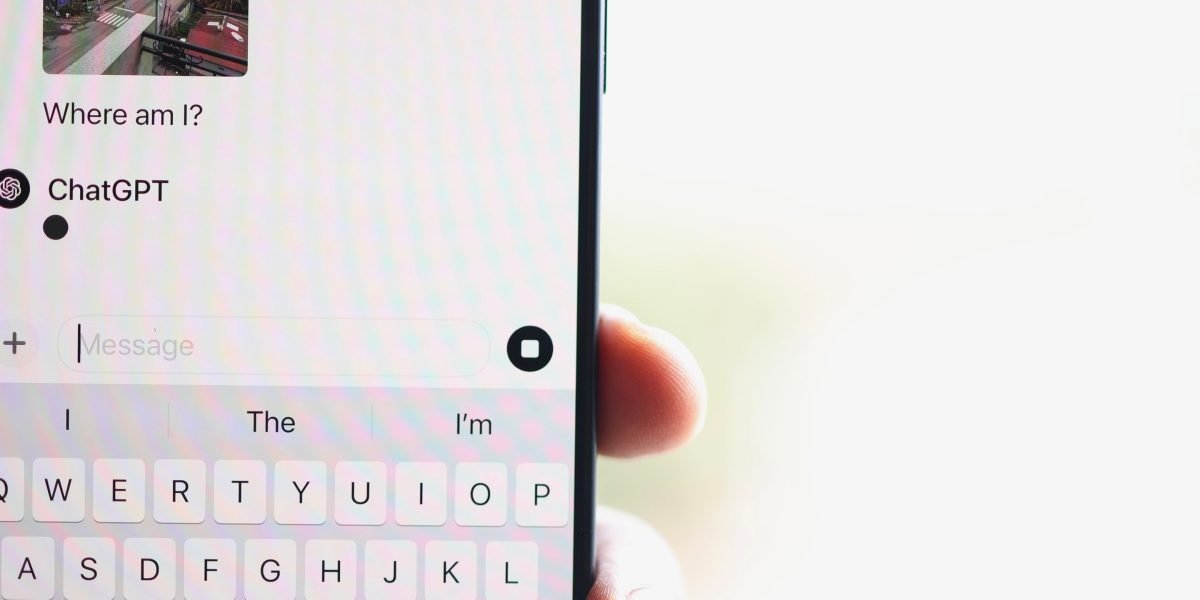
You just joined a new Discord server for a game you love. Someone sends a friendly welcome message, answers your questions fast, and even cracks a joke. The conversation feels natural. But after a few exchanges, you start wondering: was that a real person or a discord ai chat bot?

You are not alone in that question. In 2026, AI chatbots have become a huge part of online communities. On Discord alone, there are over 12 million active bots running across public and private servers.

These bots now generate about 28% of all server messages, according to the latest Discord Statistics 2026. That is a lot of automated conversation happening alongside human chat.
The trend goes far beyond gaming servers. Businesses have jumped on the AI chatbot bandwagon too. AI chatbot adoption statistics for 2026 show that 91% of companies with 50 or more employees now use AI chatbots in some part of their customer journey.
Even on Discord, bots help with moderation, answering FAQs, playing music, and running fun mini-games. Some servers rely on a single bot to handle thousands of users at once, which saves time for human moderators.
But here is the thing. As these bots become more intelligent and harder to spot, a new problem appears. How do you know who or what you are really talking to? When a bot sounds exactly like a human, trust starts to blur. People begin to wonder if the advice they got in a study server came from a real student or an AI. They question whether the funny roleplay in a fan community was written by a person or generated by a language model.
That is why this article matters. We are going to explore the ecosystem of AI chatbots on Discord, from popular tools like code chatgpt integrations to new capabilities that let any ai engineer build a custom bot for their community. We will look at how communities use these bots, what happens when conversations feel too real, and how you can navigate the line between human and machine interaction. We will even touch on what people are saying about gpt 5 reddit threads and whether ai reader free tools can help you verify content.
The goal is simple: help you enjoy the benefits of AI on Discord without losing trust in the people behind the screen. And if you ever need to check whether something you read or wrote came from a human or a machine, remember that understanding authenticity starts with knowing what to look for. To truly understand authenticity in AI interactions, consider tools that help you Look Past the Score.
The Rise of AI Chatbots on Discord in 2026
The transformation did not happen overnight. A few years ago, Discord bots were mostly simple tools. They played music, removed spam, or greeted new members with a set message. They followed rules. They did not think.
That changed when large language models, or LLMs, became available to developers. Suddenly, a discord ai chat bot could understand context, remember what you said earlier, and respond in a natural, human-like way. Instead of a rigid script, the bot could hold a flowing conversation. The best Discord bots in 2026 now come with powerful AI engines built right in.
The numbers tell the story. On peak days, over 60 million users now actively join servers. Registered accounts have grown to more than 650 million. With so many people talking, servers turned to AI bots to keep up. Moderation bots scan thousands of messages per minute. Support bots answer common questions in seconds. Engagement bots create games, quizzes, and roleplay scenarios that keep communities alive around the clock.
Many of these bots are built by regular ai engineers and hobbyists. Using APIs from OpenAI and other providers, anyone with coding skills can create a bot that uses code chatgpt style conversations. Some servers even run multiple bots, each handling a different task. One bot manages the welcome channel. Another runs the help desk. A third powers a fantasy roleplay world.
Community members are also talking about these changes. On gpt 5 reddit threads, users share stories of bots that feel almost too real. They discuss the latest models and how they change the feel of a server. Some worry that the line between human and machine is getting harder to see.
That concern is real. When a bot can joke, comfort, and debate like a person, trust gets tricky. People start using tools like an ai reader free checker to verify who wrote what. The rise of AI on Discord has been exciting, but it has also created a new need for transparency.
If you want to see how deep these AI conversations can go, check out this guide on AI chat roleplay in 2026. It shows both the creative potential and the challenges that come with it.
How Discord’s Ecosystem Amplifies AI Chatbot Engagement
So we know the bots are getting smarter. But a smart bot in an empty room does not create engagement. The real reason a discord ai chat bot can thrive in 2026 comes down to one thing: the platform itself.
Discord was built for this kind of integration. Slash commands let members ping a bot for a quick answer. Threads keep long conversations from cluttering up a main channel. Voice channels now work with AI for real time audio chat.
This seamless setup is what allows a discord ai chat bot to feel like a natural part of the community instead of a clunky add on. Developers can use the best AI tools for developers to build bots that tap directly into these features. The result is instant, helpful responses that keep the conversation flowing.
But architecture is only half the story. Server customization is where the magic really happens. Every server has its own culture. The admin sets the rules. A discord ai chat bot can be given permissions to speak only in specific channels. It can be told to use a formal tone in the support channel and a playful tone in the general chat. Some servers run multiple bots, each with a different job. One handles moderation. Another runs trivia. A third manages customer support. This level of tailored control is why server owners turn to guides on how to Transform Your Discord Community with AI Chatbots. They want the bot to fit their world, not the other way around.
This brings us to the human side of the equation. The best communities use a hybrid model. The discord ai chat bot handles the boring stuff. It welcomes new members. It answers the same five questions over and over. It flags spam. This frees up human moderators to handle real problems. The savings are real. A single server can save more than a thousand dollars a month using automation, as shown in this report on Discord AI Bot for Community Management 2026.
But there is a darker side to this synergy. Because bots can be everywhere at once, they can also manipulate. Bad actors use AI bots to pretend to be humans. They create fake debates in channels. They push a narrative on gpt 5 reddit threads. They make it look like everyone agrees with their product or their politics. This is a quiet form of control. Most users never even notice it happening.
If you want to understand how this silent manipulation works and how to spot it, read this thorough investigation: the Quietly Hijacked field note. It explains the mechanism behind this kind of digital drift.
The Discord ecosystem is a powerful engine for AI chatbots. The question is whether we use that power to build community or to hijack it.
User Experience: Authenticity vs. Automation
You open a Discord server to ask a simple question. Within seconds, a bot replies. The answer is perfect. But something feels off. Was that a real person who just helped you, or a machine? In 2026, this moment happens millions of times a day. And it is creating a new kind of discomfort.
Researchers call it "automation anxiety." It is that uneasy feeling you get when you cannot tell whether the person on the other side of the screen is human. The more seamless the discord ai chat bot becomes, the harder it is to know who you are actually talking to.

On platforms like Discord, where communities thrive on genuine connection, this blur can slowly chip away at trust.
Here is the thing. When every helpful answer could come from a bot, members start to question the value of being there. They wonder if the laughs, the debates, and the inside jokes are real or scripted. Over time, the soul of the community fades. People stop sharing personal stories. They stop reaching out for support. The server becomes a library of FAQ answers instead of a living, breathing space.
This does not mean automation is bad. Far from it. The trick is balance. The best communities in 2026 use a hybrid model. The bot handles the repetitive stuff. It answers common questions. It welcomes new members. It flags spam. Then, when a real human touch is needed, a moderator steps in. This blend keeps the community efficient without losing its heart.
One study on AI Discord bots for community engagement sums it up well: "Combining AI automation and human oversight will ensure a healthier and more personalized community interaction." That is the sweet spot.
But here is where it gets tricky for server owners. How do you design a discord ai chat bot that feels helpful without feeling creepy? You give it a personality. You limit its channels. You let it introduce itself as a bot, not pretend to be human. Transparency goes a long way. When users know they are talking to a bot, they adjust their expectations. The anxiety drops.
The same goes for code chatgpt style bots in developer servers. Programmers use them to debug fast. But they still want the final code review from a real colleague. The machine saves time. The human adds judgment.
What about content you read elsewhere, like on gpt 5 reddit threads? The same principle applies. You need tools that help you know what is real and what is generated. That is why learning to how to spot AI writing and verify authenticity in 2026 is so valuable. It puts the power back in your hands.
At the end of the day, the goal is not to remove automation. It is to use it without losing what makes us human. When a community loses its inner authority — the sense that real people with real experiences are driving the conversation — it stops being a community. It becomes a simulation.
If you want to understand how this loss of authority happens and what it means for everyday users, read this profile on a Cartographer of Drift. It explains exactly how trust gets displaced when you cannot tell the difference between a person and a prompt.
Privacy, Trust, and the Hidden Costs of AI Interaction
You hop into a Discord server and send a private message to what looks like a helpful member. You ask about a personal issue. Maybe it is a mental health question or a financial concern. The reply comes fast. It sounds kind and informed. But here is the uncomfortable truth. That bot might be logging every single word you just typed.
In 2026, this is not a paranoid thought. It is a real risk. Many discord ai chat bot tools collect user data behind the scenes. A recent study ranked popular AI chatbots by how much data they gather. The results were eye opening. Some tools collect location, browsing history, and even sensitive information like political views or health data. You can read the full findings in this breakdown of AI chatbots ranked by data they collect. The average chatbot collects 14 different types of data out of a possible 35. That is a lot of information leaving your hands.
The problem is not always the bot itself. It is what happens to the data afterward. In 2023, a major scandal broke when Discord banned over 100,000 AI chatbots from the platform. The company accused Shapes.inc of using messages to train its AI without clear permission. A detailed investigation into the ban of 100,000 AI chatbots on Discord shows how quickly trust can shatter when users realize their conversations are being scraped and fed into training models.
You might think you are safe if you stick to official Discord tools. Discord does promise strong privacy protections. Its blog states that OpenAI cannot train general models on Discord user data. But what about the thousands of third-party bots flooding servers every day? Each one carries its own privacy policy. Most users never read them. They just click "Authorize" and hope for the best.
The hidden cost here is not just a data breach. It is the slow erosion of genuine community bonds. When you suspect your private conversations might be stored, analyzed, or sold, you stop being open. You stop sharing vulnerable moments. You stop trusting the space itself. And a community built on withheld voices is barely a community at all.

This is why ai engineer teams and server owners need to prioritize transparency above all else. A good rule of thumb is to use bots that clearly state what data they keep and why. Open-source bots are even better because their code can be audited by anyone. If you want to strengthen your community’s trust, consider setting up a test server first. This lets you see exactly how a bot behaves before exposing your main community to risk. A helpful guide on how Discord bots handle your server data explains that you can reach out to bot developers directly and ask about their practices. Most reputable ones will answer honestly.
But even with transparency, a deeper issue remains. You are being shaped by systems you cannot see. Two different AI models might be working on your Discord experience simultaneously. One handles your requests. The other watches your behavior to optimize engagement. You never chose the second one. You never opted in. That invisible influence is a hidden cost nobody talks about. If you want to understand this phenomenon better, read this Quietly Hijacked field note on how everyday users are silently shaped by AI systems they cannot opt out of.
The takeaway? Always check what your discord ai chat bot is doing with your words. Ask before you trust. And remember that the healthiest communities are the ones where members feel safe enough to be genuinely human.
Detecting AI Chatbots: Tools and Techniques
You are in a Discord server, and someone sends a message that feels a bit off. The grammar is perfect, the tone is neutral, and the response comes faster than any human could type. Is it a person or a discord ai chat bot? In 2026, telling the difference is harder than ever.
Large language models have gotten very good at sounding human. They can match your writing style, use slang correctly, and even crack jokes. This makes it tough to spot AI generated messages just by reading them. That is why tools and techniques for detection have become so important.
Why Detection Matters
Educators worry about students using AI chatbots to cheat on homework or essays. Marketers need to know if content they buy is truly human written. Community managers want to keep their servers authentic and safe from spam bots. All of them share one question: can we trust what we read?
A recent comparison of 30 AI detection tools found that no single tool is perfect. A detailed review by Pangram Labs found that while some tools catch AI text very well, they also sometimes flag human writing by mistake. This is called a false positive. The most accurate tools in 2026, like Pangram and Originality.ai, still have limits. You can see the full results in this independent comparison of AI detector tools tested for accuracy and false positives. The key takeaway is that detection is a helpful signal, not a guarantee.
How Detection Tools Work
Most AI detectors look for patterns. They measure things like perplexity (how predictable the text is) and burstiness (how varied the sentence lengths are). AI generated text tends to be more uniform than human writing. But as AI models improve, they get better at hiding those patterns. That is why tools update their training data often.
For Discord specifically, you can use behavioral analysis too. A bot that replies instantly to every message, never makes typos, and always uses perfect formatting is a strong clue. Some servers use moderation bots that flag users who send very long, perfectly structured responses. But again, these methods are not foolproof.
Tips for Community Managers
If you run a Discord server, here are a few practical steps:
- Use an AI detection tool to check suspicious messages. Paste the text into a detector and see the score.
- Watch for patterns. Bots often reply too fast or use the same sentence structures.
- Ask a follow up question. Real humans may stumble or clarify. Bots usually keep their cool.
- Combine detection with moderation tools that track user behavior over time.
For a deeper look at how to spot AI writing in any context, check out this practical guide on how to detect AI writing in 2026. It covers the methods and tools that work best.
The Bigger Picture
Detection is not about catching every bot. It is about building trust. When you can verify that a message comes from a real person, your community feels safer. When you catch a bot early, you protect everyone from spam, scams, or just weird interactions.
The tools are getting better, but they are not perfect. That is why the smartest approach is to use detection as one piece of a larger puzzle. Combine it with human judgment, clear community rules, and a healthy dose of skepticism.
After all, the goal is not to eliminate every AI chatbot from your server. It is to make sure your members know who they are talking to. That is where real trust begins. To learn more about how to verify authenticity and make sound judgments, you can explore resources on understanding authenticity, judgment, and verification.
The Future of Human-AI Collaboration on Discord
So where is all this heading? The rapid growth of AI on Discord is not slowing down. In 2026, over 12 million active bots operate on Discord, and bot traffic now makes up 28% of all server messages, according to recent Discord bot statistics for 2026. That number will only climb. The next generation of bots will be more integrated, more context-aware, and in many cases, nearly impossible to tell apart from a real person.
Think about what that means. A discord ai chat bot could one day remember your past conversations, adapt its tone to match yours, and even offer advice that feels personal. Some of these bots are already being built. Developers use tools like code chatgpt and other large language models to create bots that can write stories, answer complex questions, and run entire events without human help. The line between assistant and friend is getting thin.
Rules and Labels: Why We Need Them
With great power comes the need for clear rules. In 2026, regulators are starting to pay attention. Some countries now require AI bots to identify themselves when they interact with users. On Discord, that might mean a label that says "This account is an AI" in the user’s profile or a message that pops up when a bot starts a conversation. Ethical guidelines are also emerging. Groups of ai engineer professionals have proposed standards for transparency, fairness, and safety. For example, a bot designed to help with homework should not write the whole essay for a student. These rules will shape how bots are deployed and how users trust them.
Platforms like Discord are also stepping up. They have already introduced built-in moderation tools and their own AI experiments like Clyde. In the future, Discord may require all bots to pass a verification process that checks their behavior and purpose. This would help protect users from harmful bots while still encouraging useful ones.
What Users Need to Learn
As bots become smarter, everyone in a community needs new skills. You can no longer assume that every message comes from a human. That does not mean you should distrust everyone. It means you need to know what to look for and when to verify. Here are a few things to keep in mind:
- Ask yourself why the bot is there. Is it helping? Is it selling something? Is it just chatting?
- Learn the basic signs of a GPT-5 or advanced model. They rarely make spelling mistakes and they often answer questions in full, polished paragraphs. If you see discussions about gpt 5 reddit, you can get a sense of how good these models have become.
- Use verification tools when it matters. For important conversations, run the text through an ai reader free tool to check its origin.
The goal is not to fear AI. The goal is to collaborate with it wisely. When a bot handles routine questions in a server, it frees up human moderators to focus on real community building. When a bot generates creative ideas, it sparks new conversations. But you still need to know who is on the other side.
To build that trust, communities should adopt clear policies about bot usage. Let new members know which channels use AI and which are human-only. Encourage transparency from bot creators. And keep learning as the technology evolves.
For more on how to navigate this changing landscape and keep your content authentic, check out this guide on maintain content authenticity with governance and detection in 2026. It covers practical steps for staying ahead in a world where AI and humans share the conversation.
The future is not about humans versus bots. It is about humans with bots. And when you understand the tools, the rules, and the roles, you can make that partnership work for everyone.

Summary
This article explains how AI chatbots have become central to Discord communities in 2026, why they matter, and how they reshape trust and interaction. It reviews the rise of context-aware bots built with large language models, the platform features that amplify bot engagement, and the common hybrid setups that balance automation with human moderation. The piece examines real risks — from privacy and data collection to manipulation and automation anxiety — and shows why transparency and governance are critical. It also walks through detection techniques, practical steps community managers can take, and the limits of current AI detectors. Finally, the article looks ahead at likely rules and labeling, and offers guidance so readers can use bots without losing authentic connection in their servers.